5 Essential Study Skills (Plus How to Practice Them)
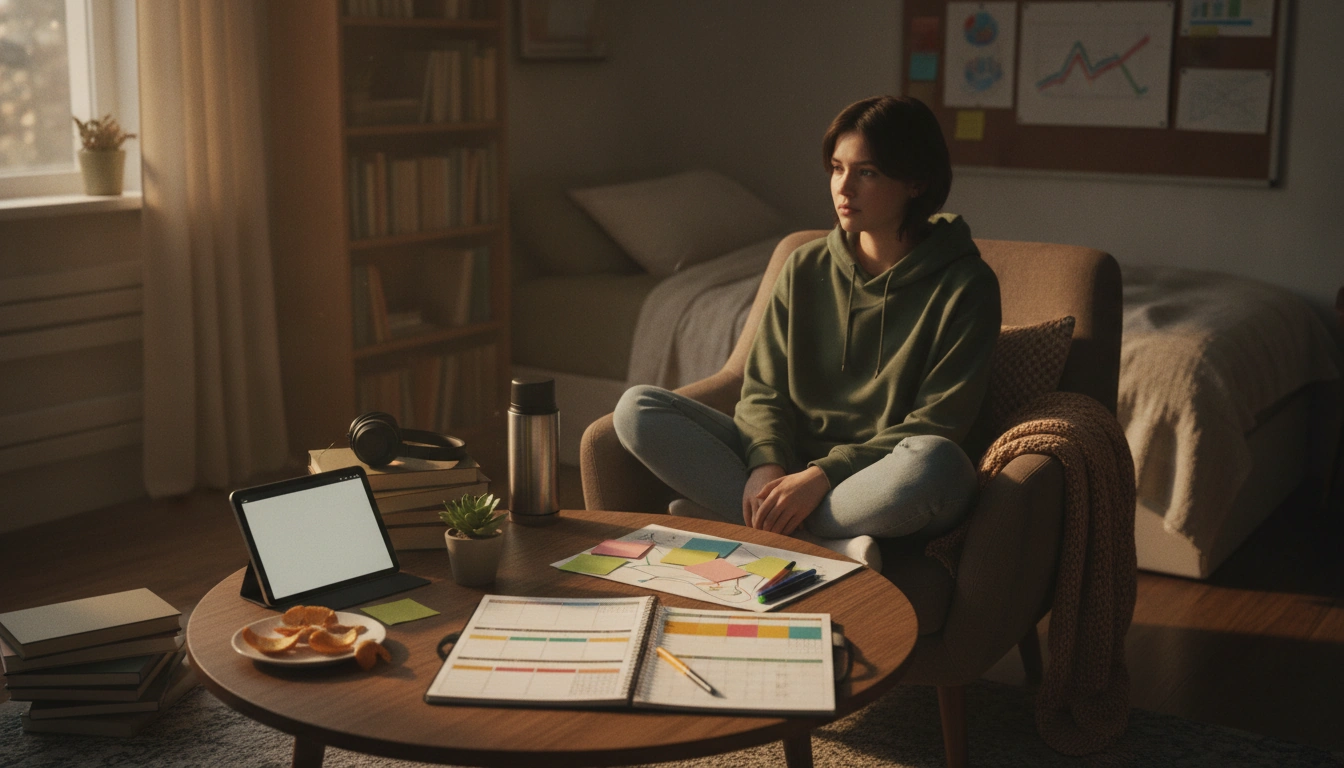
What are 5 study skills?
Five practical study skills are time management, active note-taking, effective reading, spaced review, and self-testing. Together, they help turn study time into real understanding and better recall when it counts.
5 study skills to build (and how to use them)
1) Time management
Plan study sessions before the week starts and break big assignments into smaller tasks. Use a simple schedule (even a phone calendar) and set a clear start and stop time to avoid “studying all day” without progress.
2) Active note-taking
Instead of copying slides word-for-word, write key ideas in your own words and add brief examples. After class or a reading session, spend two minutes summarizing the main point at the bottom of the page—this makes review much faster later.
3) Effective reading
Preview headings and questions first, then read with a purpose: look for definitions, arguments, and supporting evidence. Pause at the end of each section and restate what you learned in one or two sentences before moving on.
4) Spaced review
Review material multiple times over several days rather than cramming once. A simple pattern is: same day, two days later, one week later. Spacing strengthens memory and makes exam prep less stressful.
5) Self-testing (active recall)
Quiz yourself using practice problems, flashcards, or closed-book summaries. The goal is to pull information from memory, not just reread it—self-testing reveals what you truly know and what needs more work.
For more detail and additional examples, visit the full guide: What are study skills?
For 5 Essential Study Skills (Plus How to Practice Them), the best answer depends on fit, material, care instructions, and how the product will be used day to day.
Checking those details first helps avoid a poor match and keeps the choice practical after delivery.
FAQ
How can I improve my concentration while studying?
Study in short, focused blocks (like 25–45 minutes) and remove easy distractions such as notifications. Keep a small “distraction list” to jot down stray thoughts and return to them after your session.










Leave a comment