Coronary Artery Disease Meal Plan: Foods to Eat & Limit
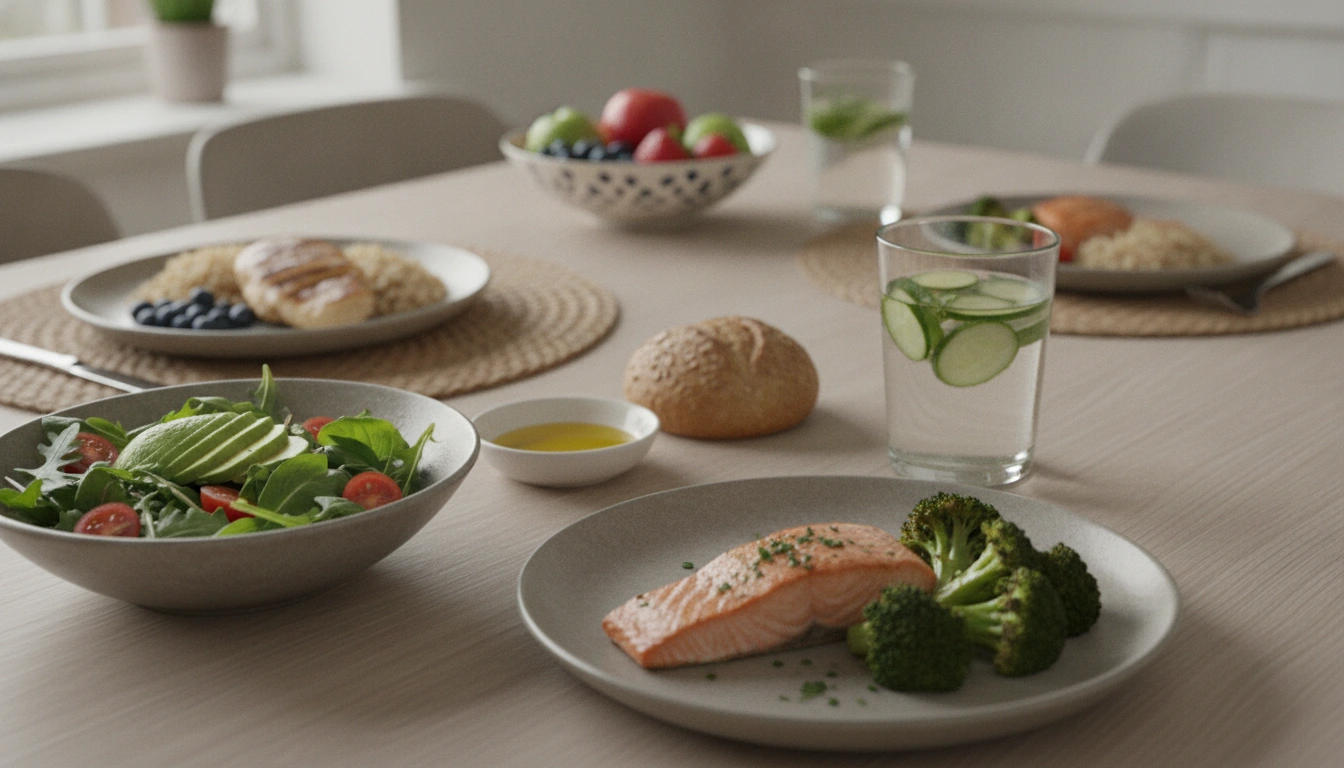
What is the meal plan for coronary artery disease?
A meal plan for coronary artery disease (CAD) is built to support healthier cholesterol levels, steadier blood pressure, and less inflammation—three major drivers of plaque buildup in the arteries. The most common approach looks a lot like the Mediterranean or DASH style of eating: more plants and fiber, leaner proteins, and healthier fats, while cutting back on sodium, added sugars, and saturated fat.
Core foods to prioritize
Center meals around vegetables, fruits, beans, lentils, and whole grains (like oats, brown rice, and whole-wheat pasta). Choose heart-friendly fats such as extra-virgin olive oil, avocado, nuts, and seeds. Include fatty fish (salmon, sardines, trout) a couple of times per week for omega-3s, and use low-fat or nonfat dairy if dairy fits your diet.
Proteins that fit a CAD plan
Go with fish, skinless poultry, and plant proteins (tofu, tempeh, beans). If you eat red meat, keep portions small and infrequent, and choose lean cuts. Limit processed meats like bacon, sausage, deli meats, and hot dogs, since they tend to be high in sodium and saturated fat.
What to limit or avoid
Cut back on saturated fat (butter, cream, cheese-heavy meals, fatty cuts of meat) and avoid trans fats. Keep sodium lower by relying less on packaged snacks, frozen meals, and restaurant foods. Reduce sugary drinks, desserts, and refined grains that can worsen triglycerides and weight goals.
Simple one-day example
Breakfast: oatmeal with berries and walnuts. Lunch: big salad with chickpeas, veggies, olive-oil vinaigrette, and a whole-grain roll. Dinner: baked salmon, roasted broccoli, and quinoa. Snacks: fruit, unsalted nuts, or plain yogurt with cinnamon.
For more specifics and practical shopping ideas, visit the full guide: https://populartakeshall.shop/what-is-the-meal-plan-for-coronary-artery-disease/.
FAQ
What foods should I avoid if I have coronary artery disease?
Limit processed meats, fried foods, baked goods made with trans fat, and high-sodium packaged meals. Also cut back on sugary drinks and desserts, and keep saturated fat (like butter and fatty meats) to a minimum.












Leave a comment