Healthiest Kitten Food: What to Choose & What to Avoid
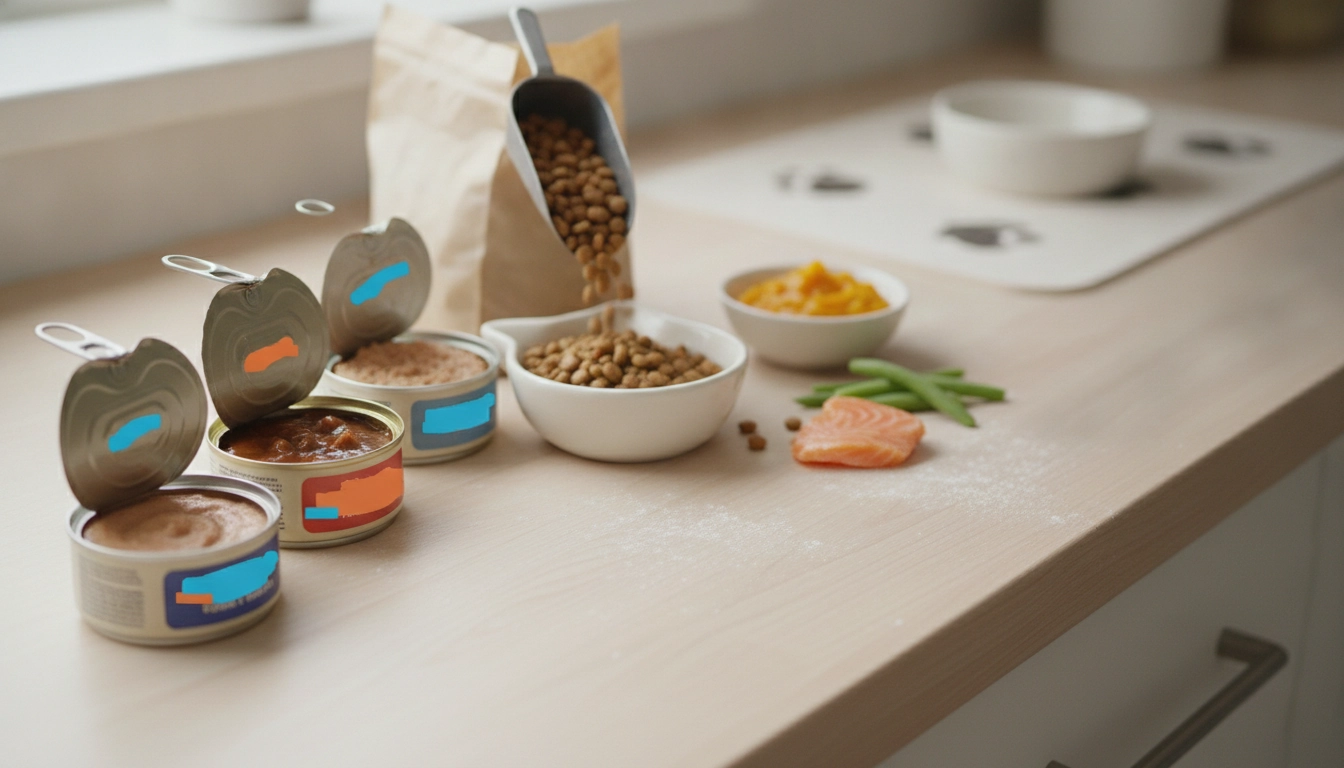
What is the healthiest food to feed a kitten?
The healthiest food to feed a kitten is a complete and balanced kitten-specific diet that’s rich in animal protein, provides the right calories for growth, and includes essential nutrients like taurine, DHA, and calcium/phosphorus in proper ratios. Look for packaging that states it’s formulated for “growth” or “all life stages” and meets AAFCO nutrient profiles. These foods are designed to support rapid development of the brain, eyes, bones, and immune system.
For most households, a high-quality commercial kitten food—wet, dry, or a combination—is the safest choice. Wet food helps with hydration and is often easier for young kittens to chew, while dry food can be convenient and may help some cats maintain dental health later on. Many owners do well offering mostly wet food with some dry as a supplement, adjusting portions to keep the kitten steadily growing without becoming overweight.
Prioritize these features when choosing food:
- Named animal proteins (like chicken, turkey, or salmon) as primary ingredients.
- Kitten-appropriate fat levels for energy and healthy skin/coat.
- Taurine (essential for heart and vision).
- DHA (commonly from fish oil) to support brain and eye development.
- Complete and balanced statement for kittens, not “supplemental” feeding only.
Avoid feeding cow’s milk (many kittens are lactose intolerant), heavily seasoned table scraps, or homemade diets unless a veterinary nutritionist formulates them. If you’re switching foods, transition gradually over about a week to reduce stomach upset. For more details on picking options and building a simple feeding routine, visit https://populartakeshall.shop/what-is-the-healthiest-food-to-feed-a-kitten/.
For Healthiest Kitten Food: What to Choose & What to Avoid, the best answer depends on fit, material, care instructions, and how the product will be used day to day.
FAQ
How often should I feed my kitten each day?
Most kittens do best with 3–4 meals per day until around 6 months old, then you can often move to 2–3 meals. Portion sizes should follow the label and be adjusted based on growth, body condition, and activity level.











Leave a comment